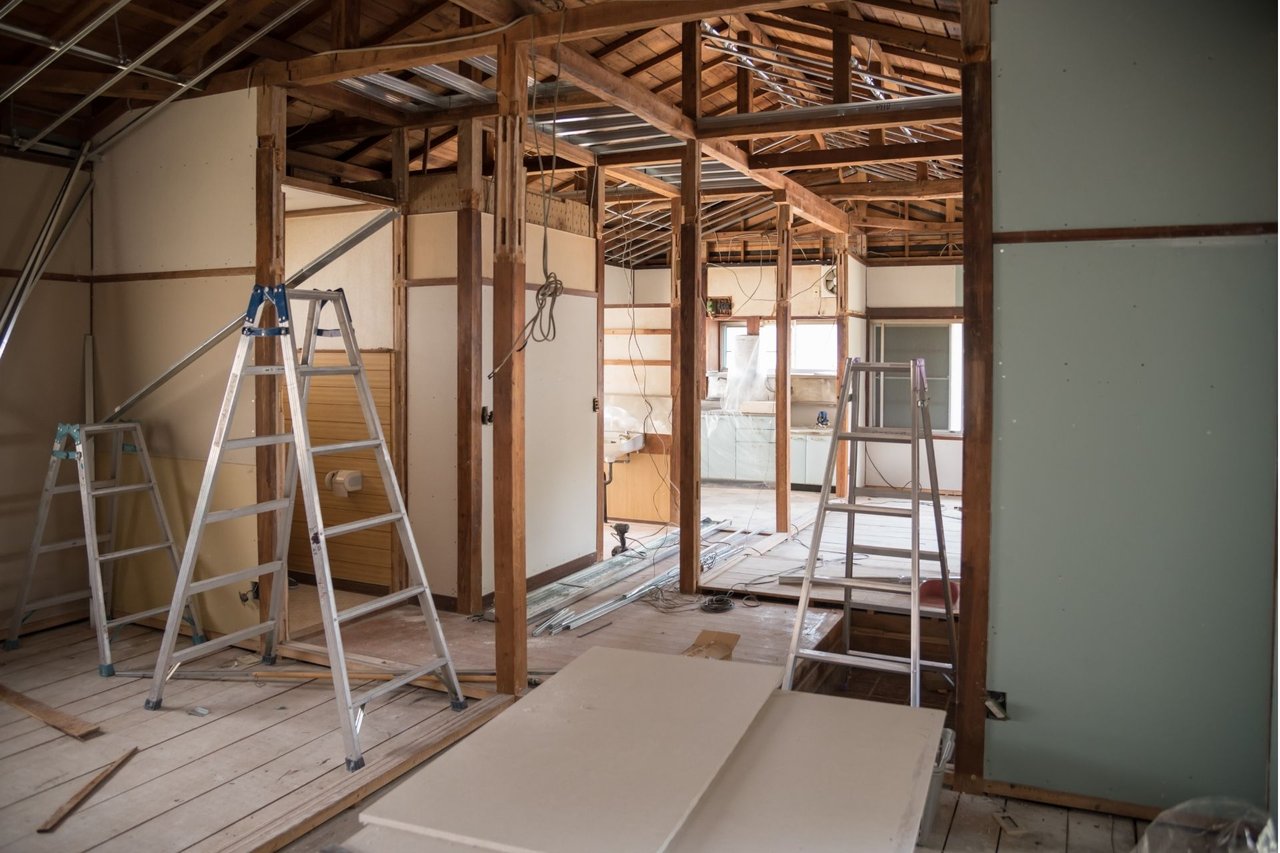
More Peninsula homeowners are asking the same question this year.
Could an accessory dwelling unit, or ADU, be the smartest use of the space they already own?
It is a fair question. As families look for flexible ways to house relatives, create rental income, or simplify their footprint without leaving the neighborhood, ADUs have moved from a niche idea to a mainstream consideration across Silicon Valley.
What an ADU Actually Is
An ADU is a secondary living space on the same lot as a primary home.
It can take several forms. Some homeowners convert a garage. Others build a detached cottage in the backyard or carve out a junior unit within the existing footprint. Each option comes with its own cost, timeline, and permitting path.
What they share is flexibility. An ADU gives a property a second functional living space without requiring anyone to buy or sell.
Why Peninsula Homeowners Are Considering Them
The interest is being driven by a few clear motivations.
For those thinking about downsizing, an ADU offers a way to stay on a beloved property while shifting daily life into a smaller, lower maintenance space and potentially renting or sharing the main house.
For multigenerational families, it creates room for aging parents or adult children who want proximity without sharing a roof. In a region where many adult children work nearby in tech, that closeness can be a meaningful draw.
For homeowners focused on long-term value, a well-built unit can generate rental income and add lasting flexibility to a property in a market where space is scarce.
Questions to Ask Before You Build
An ADU is a meaningful project, and the right answer depends on your goals.
A few worth considering:
• What is the primary purpose: rental income, family housing, or future flexibility?
• Does your lot and existing layout favor a conversion or a new structure?
• What is your timeline, and how does it align with local permitting?
• How will the unit affect the long-term value and marketability of your home?
Understanding the Local Process
This is where many homeowners feel uncertain, and understandably so.
Permitting requirements, setback rules, size limits, and utility connections vary by city across the Peninsula. California has expanded ADU access in recent years, but the local details still shape what is possible on any given lot.
The most successful projects tend to start with research. Visiting your city planning department early, understanding the approved floor plan options, and clarifying requirements before committing can save considerable time and expense later.
How an ADU Can Affect Home Value
An ADU can strengthen a property’s appeal, but the impact depends on execution.
Buyers increasingly value flexibility, and a thoughtfully designed unit can stand out in a competitive market. A poorly planned one can complicate a future sale. As with most real estate decisions, quality and intentionality matter more than simply adding square footage.
The Takeaway
For many Peninsula homeowners, an ADU is less about construction and more about options.
It can be a path to staying in a community you love, supporting the people closest to you, or building long-term value on land you already own. The right decision comes down to your goals, your property, and a clear understanding of the local process.
If an ADU is something you are weighing this year, it is worth exploring before the next chapter begins, not after.
Frequently Asked Questions About ADUs on the Peninsula
What is an ADU and how is it different from a guest house?
An ADU is a fully independent living space with its own kitchen, bathroom, and entrance, which sets it apart from a traditional guest room or unpermitted space. That independence is what allows it to serve as a true second residence.
Are ADUs a good investment for Silicon Valley homeowners?
For many, yes. In a market where space is limited, a well-designed ADU can add rental income and long-term flexibility, though returns depend on cost, location, and the quality of the build.
Should I convert my garage or build a detached ADU?
It depends on your lot, budget, and goals. Garage conversions are often faster and less expensive, while detached units typically offer more privacy and design flexibility. Many cities require covered parking so it is best to check first before doing this option.
How long does it take to build an ADU in the Bay Area?
Timelines vary, but most projects take several months to more than a year once permitting, design, and construction are factored in. Starting with your city planning department helps set realistic expectations.
Can an ADU help with multigenerational living?
Yes. Many Peninsula families use ADUs to keep aging parents or adult children close while maintaining independence and privacy for everyone.