What I Learned Updating My Own Home After Twenty Years of Selling Other People's
I have walked hundreds of Peninsula homeowners through the question of what to fix before a sale. This year I had to answer it for myself.
My husband and I decided it was time to update our own house. Not a renovation, nothing structural, no walls coming down. Paint, floors, lighting, window coverings, and the fireplace. The kind of list most homeowners have been carrying around in their heads for years without acting on it.
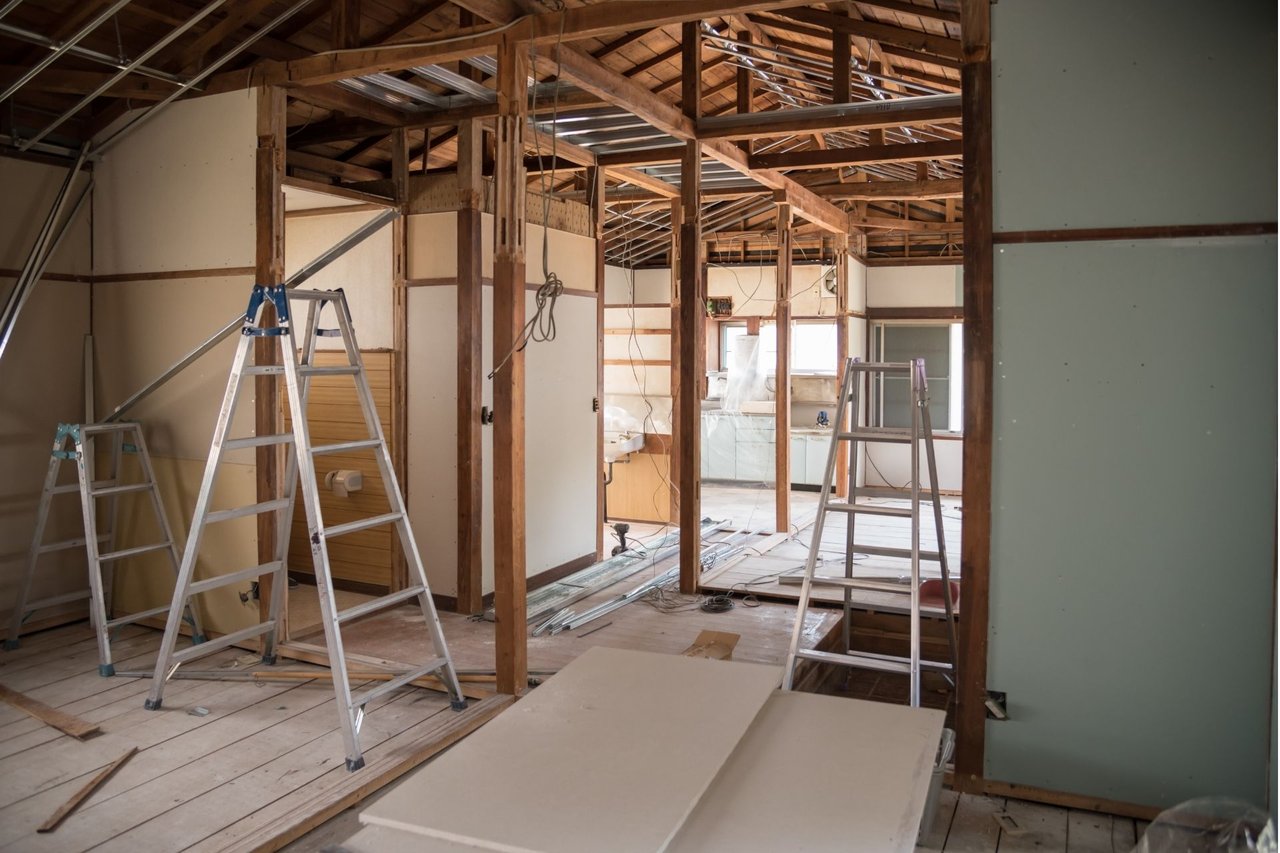
I am in the middle of it right now. The floors get demolished next week. Here is how I thought about it, and what I would tell a friend who is weighing the same thing.
Start With What Is Dated, Not What Is Broken
Nothing in our house was failing. The paint was fine. The lights worked.
They were just twenty years old, and it showed.
That distinction matters more than people expect. When I walk through a seller's home before listing it I am not looking for what is broken, because broken things either get fixed or are disclosed. I am looking for what quietly dates a house. Paint colors from two decades ago.
Yellow overhead light. Window coverings nobody has touched since the last owner. Buyers rarely say "this paint is from 2006." They say the house feels tired. The two are the same thing. So we started with paint. The whole point was to lighten and brighten, and that single decision changed how every other room reads.
The Smallest Project Made the Biggest Difference
We swapped the old fluorescent light fixtures for LEDs. The dimmers were already in place, so it was a straight replacement, handled by my contractor. It was the least expensive thing we did. It may have been the most noticeable.
Lighting is the update homeowners skip because it doesn't seem like it would make a difference. There is no before-and-after drama to it. But light temperature changes how paint reads, how wood floors read, how large a room feels. If you are only going to do one thing this year, look up.
Order Matters More Than Any Single Choice
If I could do one thing differently, it would be sequencing.
We painted first. Then we committed to new floors, which means new baseboards, which means the painter has to come back to do the baseboards and touch-ups after we move every piece of furniture out of the house.
Here is the rule I wish I had followed my own advice on: floors go either first or last. There is no middle. We are doing them last this time, which is the more common approach, but it means revisiting the paint work. That is the part some people underestimate. Not the cost of any one project, but the way projects overlap with each other. Timing is important.
Not Everything Has to Be Ripped Out
The fireplace is my favorite example.
I hired a wonderful designer, Celeste Randolph of Celeste Randolph Designs. She brought in an artist who works with Venetian plaster. He went directly over the existing fireplace. No demolition, no tile selection, no dust.
It only took about eight days for him to complete the project. The result is closer to artwork than to a finish, and it turned out beautifully as the hallmark of the living room.
I bring this up because people often assume a dated feature means a teardown. Sometimes it means a specialist. The specialist is usually cheaper, faster, and better than a teardown, and it is exactly the kind of option you don't necessarily think of on your own.
Use the People Who Already Do This Work
I did not go looking for contractors. I called my trusted team that I use on my listings.
Jae Lim Painting, Bay Area Hardwood Floors, and Scott of All Trades. We hired Careful Movers of San Mateo to move all of our furniture and clothing into a pod and our garage.
I have an unfair advantage in this part of the process because I’ve worked with my team for several years. When you work with the same crews across dozens of listings, you know who shows up, who holds a schedule, and who tells you the truth about what something will cost.
It can also bring a lucky opportunity. When I called my floor guy, he mentioned he had extra inventory of European white oak from London. Because it is a high-end material, he didn't want to put it in a house going on the market. He wanted it to go to a friend or family, and I told him I qualified.
It is acclimating in my front room right now for two weeks in the house before installation. A good piece of advice: hardwood needs time to adjust to your home before it’s installed.
What I Would Tell a Friend
Start with what is dated rather than what is broken. Plan the timeline for the work before you schedule it. Find out all of your options, whether a specialist can go over something before you assume it has to come out. And lean on people who have done this a hundred times, because a good referral is worth more than the research.
We will be out of the house for two to three weeks while the floors go in. I will share the "after" once it is finished.
If you are thinking about updates, whether you plan to sell in a year or stay for twenty, I am glad to walk you through what is worth doing and what is not. I have seen tried-and-true examples of what projects yield a return on your investment.
Frequently Asked Questions
Should you do floors or paint first?
Floors go either first or last in a project, not in the middle. If floors come last, expect the painter to return for baseboards and touch-ups after installation, since you have to move furniture out and the new baseboards go in with the new floor.
What home updates make the biggest difference for the least money?
Lighting is consistently underrated. Swapping dated fixtures for LEDs, especially where dimmers are already in place, is inexpensive and changes how paint and flooring show throughout a room. Fresh paint in a neutral color is another high-return update.
How long does a hardwood floor installation take?
Plan on being displaced for roughly two and a half to three weeks for a whole-house installation, plus about two weeks before that for the wood to acclimate inside the home before installation. Skipping the acclimation period risks warping and gapping later.
Do you have to tear out a dated fireplace to update it?
Often not. A Venetian plaster artist or tile contractor can apply a finish directly over an existing fireplace surround with no demolition, typically in about a week. It is usually faster and less expensive than demoing it.
How do you find reliable contractors on the Peninsula?
Referrals often outperform research. I have a team I work with for painting, flooring, and general contracting for updates in many of my listings, and I know they keep to schedule and quote honestly. Asking your agent for their vendor list is one of the most useful things you can do before starting a project, whether or not you are planning to sell.


